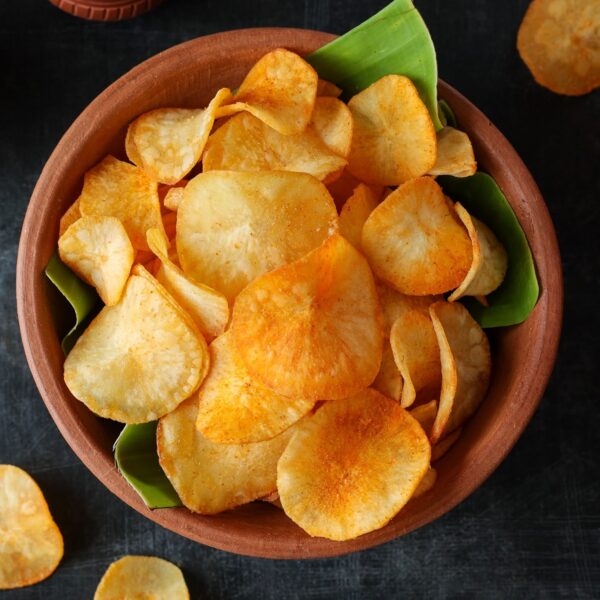
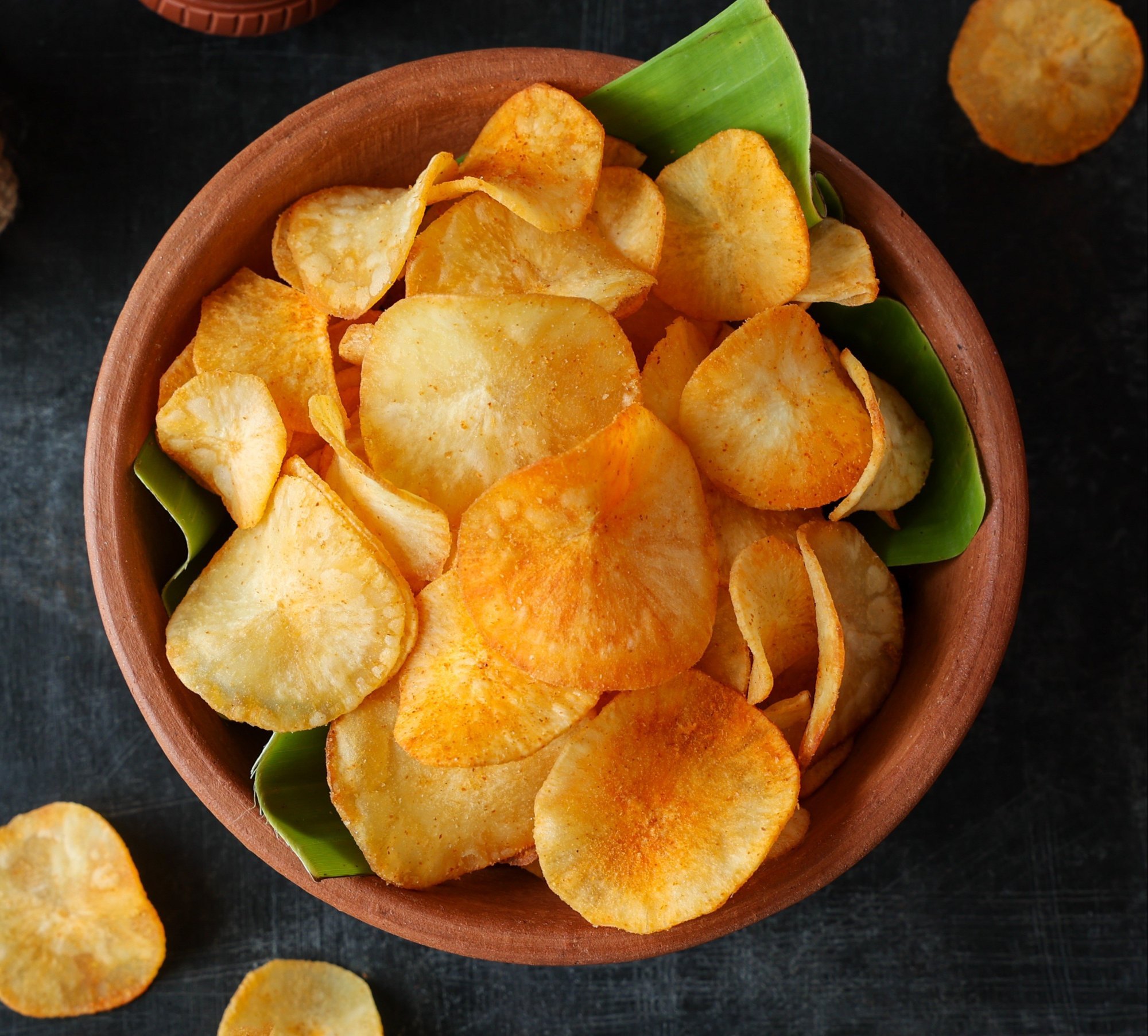
Homemade Tapioca Chips | Traditional Kappa Chips
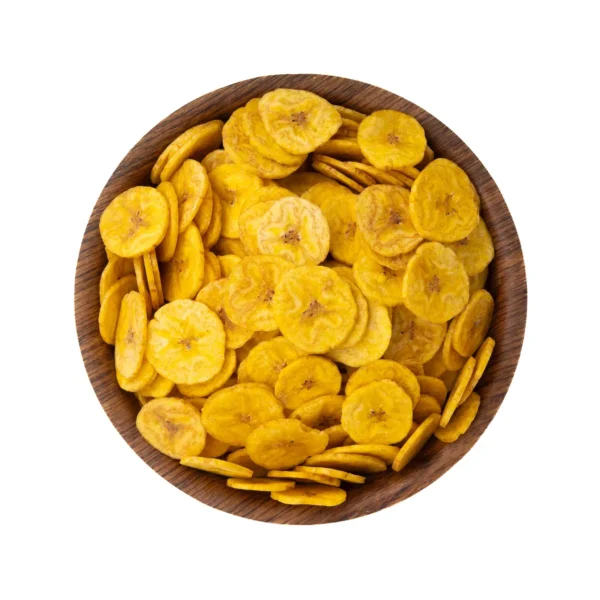
Relish the timeless taste of traditional homemade Tapioca Chips, carefully prepared the old-fashioned way at Nisha Eco. Made from premium-quality tapioca (kappa), these chips are sliced evenly, sun-handled with care, and cooked to golden crispness to bring you an authentic crunch in every bite.
Our Tapioca Chips are prepared in small batches to maintain freshness, flavour, and quality. We follow traditional preparation methods passed down through generations, ensuring each chip delivers a clean, natural taste without overpowering spices or artificial additives. The result is a light, crispy snack that pairs perfectly with evening tea or can be enjoyed on its own.
At Nisha Eco, we believe real taste comes from simple ingredients and mindful preparation. That’s why our Tapioca Chips are made using carefully selected raw materials and prepared in a hygienic home-style environment. Every pack reflects our commitment to quality, tradition, and conscious snacking.
These chips are loved by both kids and adults for their mild flavour and satisfying crunch. Whether you are looking for a nostalgic snack or a naturally prepared alternative to mass-produced chips, our Tapioca Chips are a perfect choice.
Why Choose Nisha Eco Tapioca Chips?
-
Made from premium tapioca (kappa)
-
Traditional homemade preparation
-
Small-batch cooking for better taste
-
No artificial colours or preservatives
-
Clean ingredients, authentic flavour
-
Freshly packed for lasting crunch
Best Enjoyed As
-
Tea-time snack
-
Light evening munch
-
Travel snack
-
Festive snack platter addition
Storage Instructions
Store in an airtight container after opening. Keep in a cool, dry place away from moisture to retain freshness and crunch.
Price range: ₹200.00 through ₹600.001 KG
Customer Reviews
You May Be Interested In…
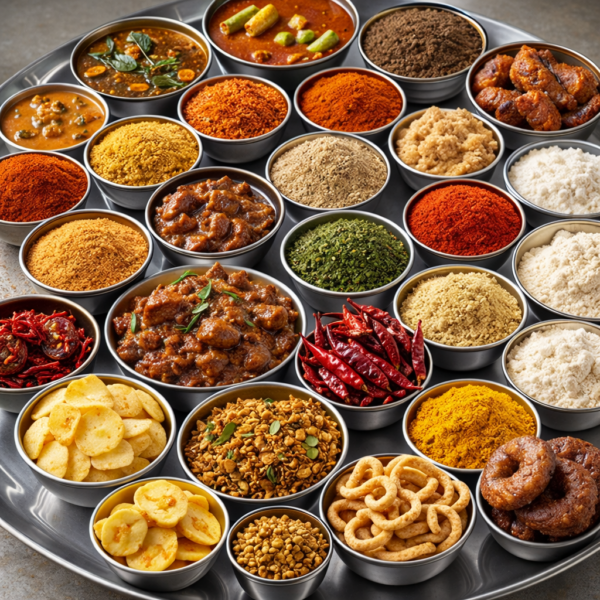
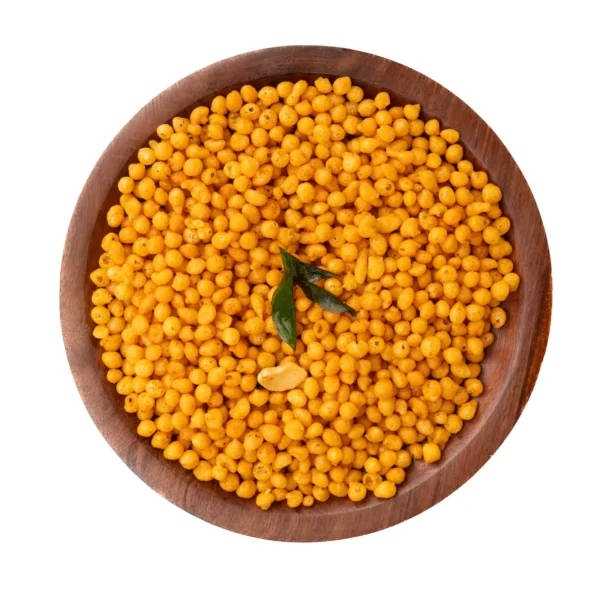
Homemade Nutrition & Traditional Foods
Chances are the journey didn’t begin as a business plan or a branding exercise. It began in a kitchen where purity mattered, shortcuts didn’t, and every ingredient was chosen with care. When food is made for family first, standards rise naturally. That philosophy shaped nishaeco.in long before product categories were defined or labels were printed.
There was no rush to scale, no compromise on process. Ghee was slow-cooked, not accelerated. Thokku and pickles were prepared the way generations trusted—by hand, by eye, by instinct. This wasn’t about convenience; it was about preserving taste, nutrition, and honesty. Every step had checkpoints, not approvals—because the benchmark was home, not market trends.
The villagers are out there with a vengeance to protect authenticity, and rightly so. Once you choose to make food the traditional way, there’s no hiding behind automation or shortcuts. You prepare podis only after the spices are carefully roasted. You grind, taste, adjust, and repeat. Healthy snacks don’t start on spreadsheets; they start with trial batches and family feedback.
You made all the required preparations—selected raw materials, tested small batches, refined recipes, and ensured consistency before sharing them beyond your own table. You didn’t outsource trust. You didn’t license shortcuts. You adapted tradition to modern needs without diluting its soul.
The toppings you may choose for a ready-made meal or the flavours added to impress shelves are personal choices. But what about your daily nourishment? Ghee, pickles, podis, malts, instant mixes—will families accept that these are made the easy way? At nishaeco.in, the answer is simple: food must be made the way you’d feed your own child.
Authorities in nutrition and tradition alike may debate methods endlessly. Some will say scale matters. Others will say speed is essential. Not so fast. There are redeeming factors in doing things slowly, by hand, and with intent. Homemade food isn’t a limitation—it’s a standard.
Modern platforms allow products to be listed, categories to expand, and customers to grow. But the core remains unchanged. Whether it’s healthy snacks for busy mornings or malt mixes for growing children, the same template applies: 100% homemade, 100% pure.
When managing multiple products ghee, thokku, pickles, podis, snacks, instant mixes—details matter. Texture, aroma, shelf life, and taste can behave differently across batches. Things can break if you’re careless. Expectations can fall apart if shortcuts creep in. That’s a real problem to solve, and pretending otherwise won’t fix it.
Using real ingredients, real processes, and real care is the only way forward. You test, refine, and retest. You listen. You adjust. And before anything reaches a customer’s home, it must first pass through yours.
nishaeco.in stands not as a trend, but as a continuation of homemade food, honest nutrition, and the belief that what is made with care always shows.
The villagers are out there with a vengeance to get that Frankenstein
You made all the required mock ups for commissioned layout, got all the approvals, built a tested code base or had them built, you decided on a content management system, got a license for it or adapted:
- The toppings you may chose for that TV dinner pizza slice when you forgot to shop for foods, the paint you may slap on your face to impress the new boss is your business.
- But what about your daily bread? Design comps, layouts, wireframes—will your clients accept that you go about things the facile way?
- Authorities in our business will tell in no uncertain terms that Lorem Ipsum is that huge, huge no no to forswear forever.
- Not so fast, I'd say, there are some redeeming factors in favor of greeking text, as its use is merely the symptom of a worse problem to take into consideration.
- Websites in professional use templating systems.
- Commercial publishing platforms and content management systems ensure that you can show different text, different data using the same template.
- When it's about controlling hundreds of articles, product pages for web shops, or user profiles in social networks, all of them potentially with different sizes, formats, rules for differing elements things can break, designs agreed upon can have unintended consequences and look much different than expected.
This is quite a problem to solve, but just doing without greeking text won't fix it. Using test items of real content and data in designs will help, but there's no guarantee that every oddity will be found and corrected. Do you want to be sure? Then a prototype or beta site with real content published from the real CMS is needed—but you’re not going that far until you go through an initial design cycle.